ملاعب كرة القدم
- الرئيسية
- ملاعب كرة القدم

تعتبر ملاعب كرة القدم من أهم المرافق الرياضية في جميع أنحاء العالم، حيث تجتمع فيها العوامل المثلى لممارسة هذه الرياضة الشعبية. ومن بين العوامل الأساسية التي تؤثر على جودة الملاعب وأداء اللاعبين هو النجيل الذي يغطي سطح الملعب. وفي هذا السياق، تقدم شركة جول سبورت خدمات متميزة لأنها من أفضل شركات بناء الملاعب الرياضية.
نستعرض في هذا المقال لماذا يستخدم النجيل الصناعي في ملاعب كرة القدم، ومميزات النجيل الصناعي بشكل عام.
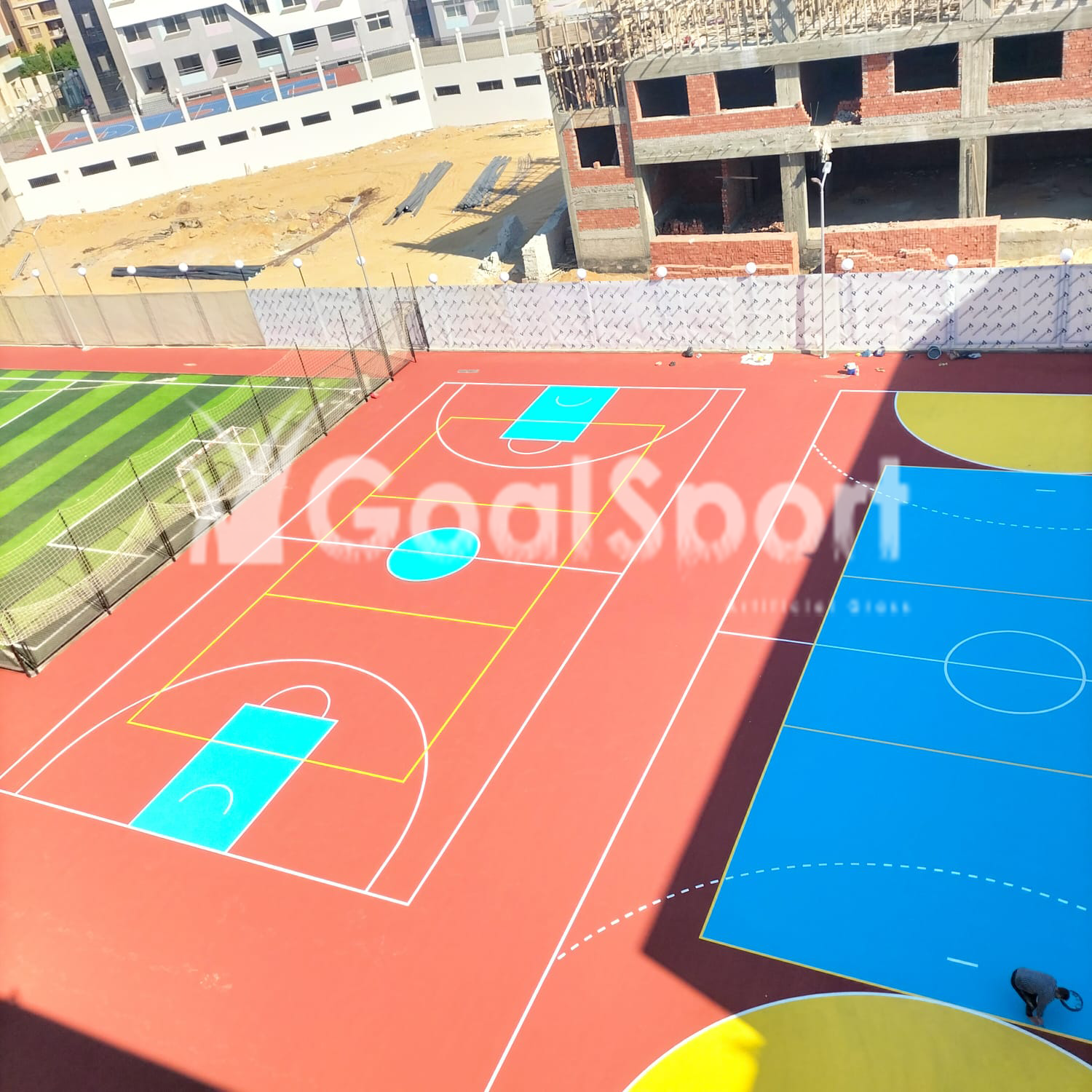
لماذا يستخدم النجيل الصناعي في ملاعب كرة القدم؟
أصبح النجيل الصناعي منتشر بشكل كبير في ملاعب كرة القدم والساحات الرياضية وذلك لعدة أسباب منها:
- النجيل الصناعي يتم تصنيعه من البولي بروبلين أو البولي إيثيلين وغيرها من المواد الأخرى التي تعطي النجيل الصناعي خصائصه ومميزاته.
- تم تطوير النجيل الصناعي بالشكل الذي يجعله أكثر أمانًا وسلامًا على اللاعبين.
- خامة تقيلة ، بتستحمل أي ظروف مناخية.
- يعطي للملعب شكل جمالي ويمنع الصدمات والإصابات للاعبين.
- يتم حشو الملعب بطريقة قانونية فيتم إضافة مواد حشو للنجيل الصناعي وهي الرابر أو ما يعرف بالمطاط، وهو عبارة عن مواد بلاستيكية تحمي النجيل الصناعي من درجة الحرارة وتحمي اللاعبين من الصدمات.
- يتم لصق النجيل الصناعى بلاصق كازالى الإيطالى لضمان أفضل جودة وثبات قوى يدوم لسنوات
- يتم وضع طبقة رمل سيليكا فوق النجيل الصناعي ليكون أكثر أمانًا.
- نجيلة الملاعب سمكها لا يقل عن 5 سم وذلك لتحمل الضغط الشديد، وتحمل تعاقب المباريات، والاستخدام المستمر للملاعب.
لذا فالنجيل الصناعي هو أكثر شيوعاً في الملاعب والساحات الرياضية مثل ملاعب كرة القدم وغيرهم من الأنشطة الرياضية وتميزت شركة جول سبورت -أفضل شركات بناء الملاعب الرياضية- بإنشاء العديد من الملاعب الرياضية.
مميزات النجيل الصناعى
مع انتشار ملاعب كرة القدم والملاعب الرياضية في المدارس والجامعات والأندية، كثر استخدام النجيل الصناعي من قبل شركات بناء الملاعب الرياضية، وهذا يرجع إلى العديد من الأسباب التي اعتبرها الكثير من الناس السبب الرئيسي في إزدهار صناعة انشاء ملاعب النجيل الصناعي، نذكر منها:
- التكاليف المعقولة: حيث تعتبر التكاليف الخاصة بإنشاء ملاعب النجيل الصناعي في متناول الجميع.
- سلامة اللاعبين: النجيل الصناعي لديه القدرة على امتصاص الصدمات، لذا فهو الوسيلة المثالية لتجنب الإصابات الخطيرة، كما أنه يساعد بشكل كبير في منع اللاعبين من الإنزلاق.
- تحمل الظروف المناخية القاسية: العشب الصناعي لا يتأثر بتقلبات الطقس وهذا يجعل الملعب صالح للاستخدام طوال العام حتى في ظل الأمطار الغزيرة، ودرجات الحرارة المرتفعة.
- سهولة التنظيف: من السهل تنظيف النجيل الصناعي، والتخلص من أي بقايا متعلقه فيه.
- توفير المياه: النجيل الصناعي يوفر المياه لأنه لا يحتاج إلي الري.
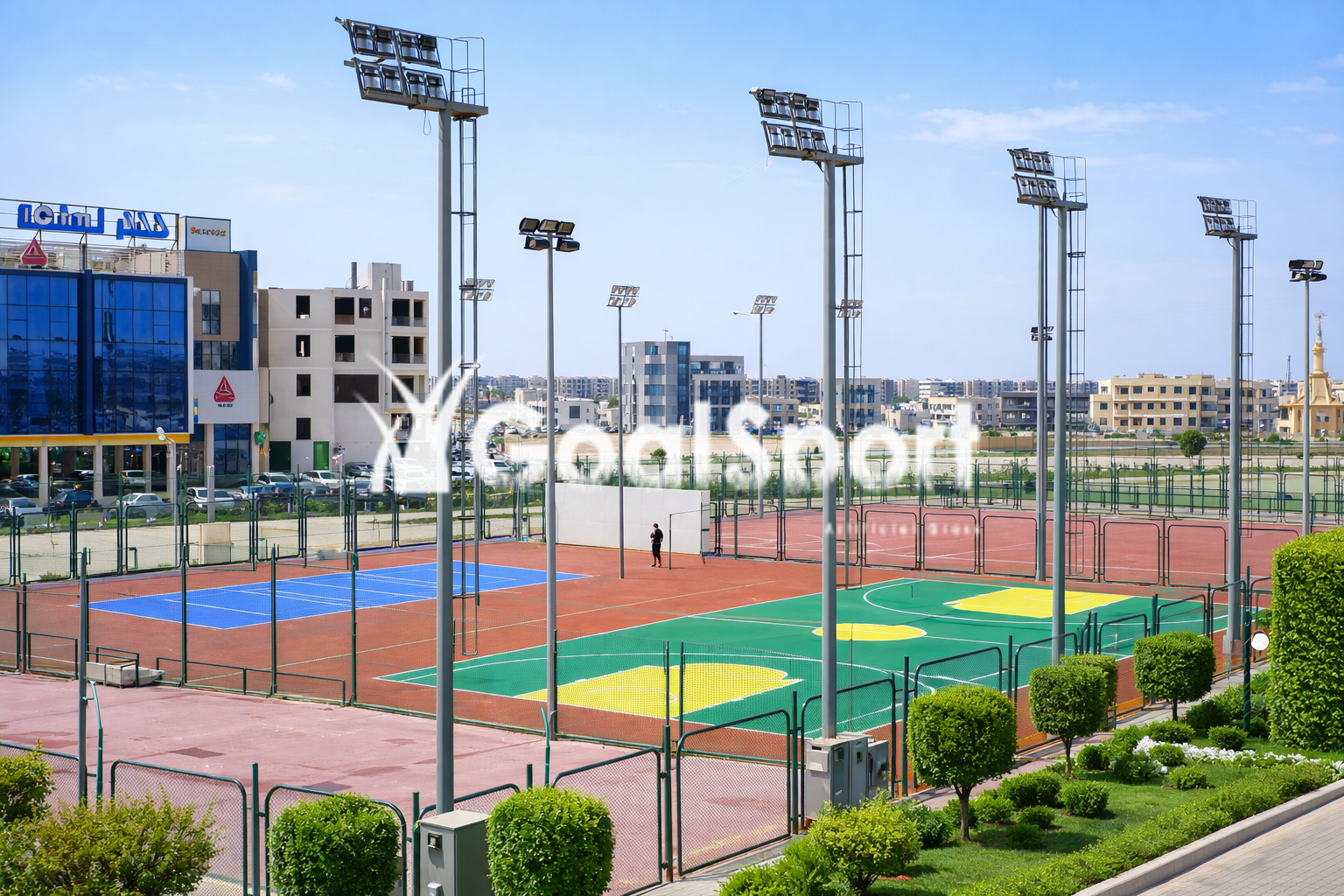

أفضل شركات بناء الملاعب الرياضية في مصر؟
تعد شركة جول سبورت من أفضل شركات بناء الملاعب الرياضية في مصر، وذلك لأسباب عدة من بينها:
- أن نجيلة الملاعب من جول سبورت معتمدة من الإتحاد الدولي لكرة القدم داخل مصر وخارجها .
- تمتلك الشركة سابقة أعمال كبيرة تضمن لكل عملائها الاحترافية والخبرة الكافية للحصول على أفضل نتيجة.
- السرعة في التنفيذ بفضل فريق العمل الذي يضم عدد كبير من أمهر الكوادر المتخصصة في مجال إنشاء الملاعب.
- الدقة في الاهتمام بكافة التفاصيل حيث يتم تصميم لملاعب كرة القدم وفقًا للمعايير العالمية ومتطلبات العملاء.
في جول سبورت – أفضل شركات بناء الملاعب الرياضية- يتولى الفريق الفني للشركة جميع جوانب العمل من تصميم الملاعب وتجهيزها وتركيب النجيل الصناعي بأعلى مستويات الجودة، لذا بادر الآن، وتواصل معنا.
مقاسات الملعب حسب الفئة العمرية
تختلف مقاسات ملاعب كرة القدم حسب الفئة العمرية للاعبين، حيث يتم تصميم الملعب بما يتناسب مع قدراتهم البدنية ومستوى مهاراتهم لضمان أفضل تجربة لعب. فمثلًا في الفئات الصغيرة مثل 7/7 يتم اللعب بعدد 5 إلى 5 لاعبين على ملعب بمقاس 42 متر طول × 22 متر عرض، بينما يمكن أن تصل في نفس الفئة إلى 9 ضد 9 على ملعب 55 × 35.7 متر. ومع التقدم في العمر، تزداد أبعاد الملعب تدريجيًا، ففي الفئة العمرية من 11 إلى 12 سنة يكون الملعب بمقاس 73 × 46 متر، ثم في فئة 13 إلى 14 سنة يصل إلى 82 × 50 متر، وفي عمر 15 إلى 16 سنة يكون 90 × 55 متر. أما في الفئات الأكبر مثل 17 إلى 18 سنة، فيتم اللعب على ملعب بمقاس 100 × 64 متر، وصولًا إلى المقاسات الكاملة للبالغين أكثر من 18 سنة والتي تتراوح بين 100 إلى 110 متر طول و64 إلى 75 متر عرض. هذا التدرج في المقاسات يساعد على تطوير اللاعبين بشكل صحيح ويمنحهم بيئة مناسبة للنمو الرياضي وتحسين الأداء.
أهم الأسئلة الشائعة
ما هي مساحات الملاعب المختلفة؟
تختلف مساحات الملاعب حسب نوعها، وتشمل ما يلي:
الملعب الخماسي:
18×38 = 684 متر مربع
20×40 = 800 متر مربع
22×42 = 924 متر مربع (وهو المقاس القانوني المتداول)
25×45 = 1125 متر مربع
الملعب السداسي:
22×42 = 968 متر مربع
24×46 = 1104 متر مربع
25×50 = 1250 متر مربع
26×52 = 1352 متر مربع
الملعب السباعي:
30×50 = 1500 متر مربع
32×52 = 1664 متر مربع
35×55 = 1925 متر مربع
40×60 = 2400 متر مربع
ما هي انواع الملاعب؟
ملاعب كرة القدم الملاعب المتعددة ملاعب السله ملاعب اليد ملاعب التنس ملاعب الطايره ملاعب البادل تنس ملاعب البيكيل بول ملاعب البادل بول .